How Industrial Thermal Imaging and Structural Dehumidification Save Drywall
July 30, 2026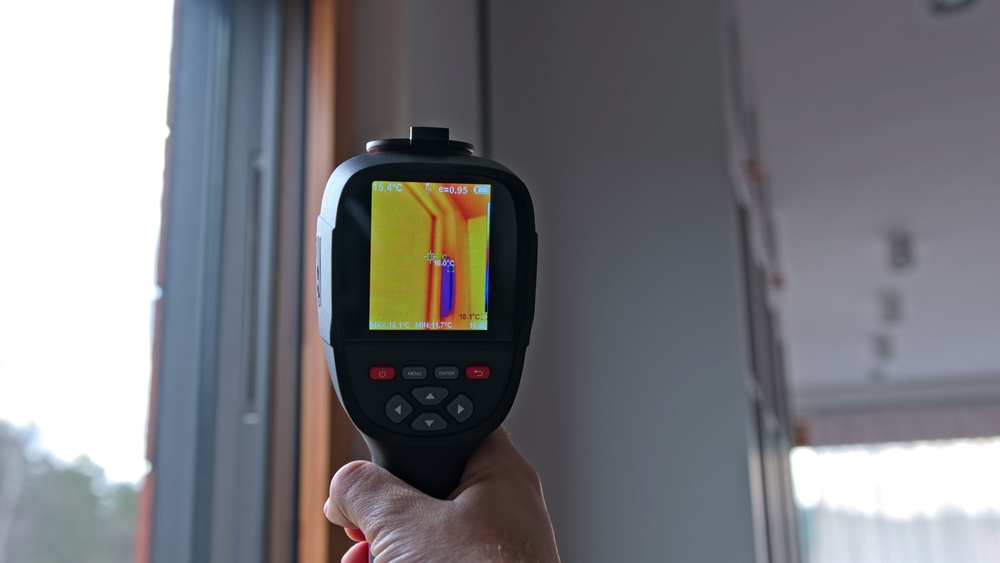
After a pipe leak, roof failure, appliance malfunction, or flood, wet drywall does not always need to be removed. When we respond quickly, advanced moisture detection and controlled structural drying may allow us to preserve drywall that is still structurally sound. At Alliance Water Restoration, we use industrial thermal imaging and structural dehumidification to locate hidden moisture, develop a targeted drying plan, and reduce unnecessary demolition.
Why Wet Drywall Requires Immediate Attention
Drywall is porous, which means it can absorb water quickly. Even when the surface appears dry, moisture may remain inside wall cavities, insulation, baseboards, or framing.
If moisture is not addressed promptly, it may weaken materials, damage paint, cause unpleasant odors, and create conditions that support mold growth. The sooner we inspect and dry the affected area, the better the chance that some building materials can be saved.
How We Use Industrial Thermal Imaging
Industrial thermal imaging cameras allow us to detect temperature differences across walls and ceilings. Wet areas often heat and cool differently from surrounding dry materials, creating patterns that may indicate hidden moisture.
Thermal imaging can help us locate:
• Moisture spreading beyond a visible stain
• Water trapped behind drywall or above ceilings
• Damp areas near pipes, windows, and baseboards
• Sections that require additional moisture testing
Because thermal imaging detects temperature variations rather than moisture itself, we also use professional moisture meters to confirm our findings. This allows us to identify the affected areas more accurately and limit removal to materials that cannot be properly restored.
How Structural Dehumidification Supports Drying
Structural dehumidification removes moisture from the air and affected building materials. We use professional dehumidifiers to reduce indoor humidity, helping moisture inside drywall, wood, and other materials move into the air where it can be collected.
We may also position air movers to increase airflow across wet surfaces. Together, controlled airflow and dehumidification create more effective drying conditions than household fans or open windows.
Our drying plan is based on the size of the affected area, the type of materials involved, and the moisture readings we collect throughout the process.
When Drywall Can Be Saved
Not every water-damaged wall can be restored. We may recommend removal when drywall has become soft, warped, swollen, or unstable. Drywall exposed to contaminated water may also need to be removed for health and safety reasons.
When the drywall remains intact and the water source is clean, targeted structural drying may help us preserve it. We focus our equipment on the affected areas, monitor moisture levels, and adjust the drying process as conditions improve.
This approach can reduce unnecessary demolition, limit reconstruction needs, and preserve unaffected portions of the property.
We Monitor Moisture Until Drying Is Complete
We do not remove drying equipment based only on how drywall looks or feels. Our team takes moisture readings throughout the drying process to confirm that affected materials are returning to an acceptable condition.
For professional water damage inspection, thermal imaging, and structural drying, schedule a consultation with Alliance Water Restoration. Contact our office in Chantilly, VA, by calling (703) 542-5930 to book an appointment.